 International Journal of Research Paper Publication and Review

Peer Review Policy
IJRPPR Peer Review Process
What is Peer Review Process?
- Peer review process is the system used to assess the quality of a manuscript before it is published online. Independent professionals/experts/researchers in the relevant research area are subjected to assess the submitted manuscripts for originality, validity and significance to help editors determine whether a manuscript should be published in their journal.
- This Peer review process helps in validating the research works, establish a method by which it can be evaluated and increase networking possibilities within research communities. Despite criticisms, peer review is still the only widely accepted method for research validation
- Only the articles that meet good scientific standards, explanations, records and proofs of their work presented with Bibliographic reasoning (e.g., acknowledge and build upon other work in the field, rely on logical reasoning and well-designed studies, back up claims with evidence etc.) are accepted for publication in the Journal.
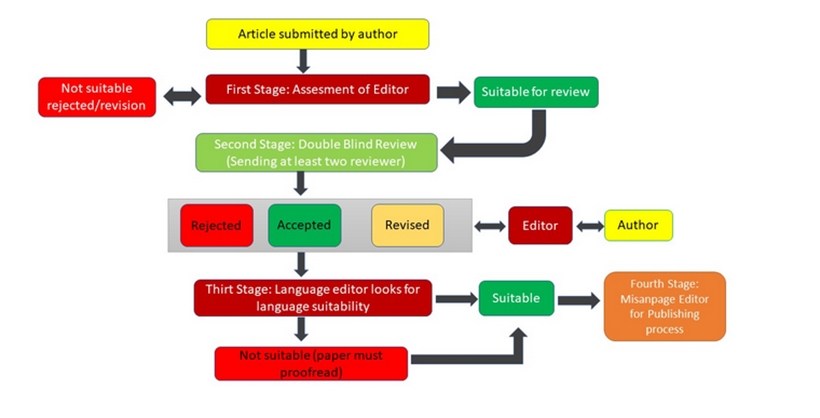
What We follow?
We generally follow Double blind peer review process, in which both the authors and the editors who are going to review the papers submitted and approve for publication are unaware of each other’s identity. In this Process the Managing Director of the journal assigns the articles, received from the researchers to the Reviewers along with an Electronic review form, in which the Reviewers are initially supposed to check the scope of the manuscript whether fits to the journal or not then, they need to fill the form of a questionnaire and at the end they will provide their comments or any suggestions/edits in the paper (if required) (sometimes may ask for the results that they have got with proofs) to approve the manuscript for publication in the journal. This forms the basis for deciding whether the work should be accepted, considered acceptable with revisions, or rejected. Submissions with serious failings will be rejected, though they can be re-submitted once they have been thoroughly revised.
If a work is rejected, this does not necessarily mean it is of poor quality. A paper may also be rejected because it doesn't fall within the journal's area of specialization or because it doesn't meet the high standards of novelty and originality required by the journal in question.
The journal will publish the paper if the reviewer suggests only minor edits but before that the author is asked to make those corrections.